



Latest News
Product Center
Most PopularProduct Center
-
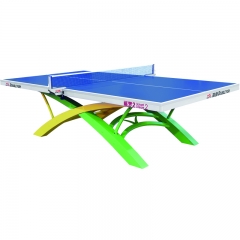
Double Fish Tournament Table Tennis Table Volant Dream 2
Product Origin:China Item No.:Valant Dream 2 Shipping Port:Guangzhou Lead Time:15 Payment:T/T & L/C Market Price:$2000
Read More -
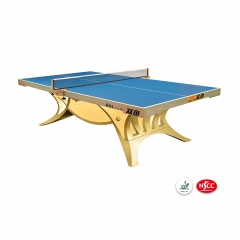
ITTF Tournament Table Tennis Table Volant King Premium Table
Product Origin:Guangzhou, China Item No.:Volant King Shipping Port:Guangzhou, China Color:Blue Lead Time:30 days Payment:T/T or L/C at sight
Read More -
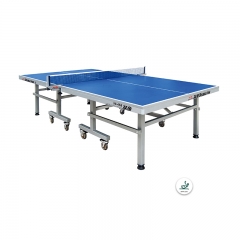
Official Durable Table Tennis Table for World Tour 99-45B
Product Origin:China Item No.:99-45B Shipping Port:Guangzhou, China Color:Blue Lead Time:30 days Payment:T/T or L/C at sight
Read More -
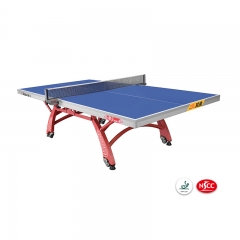
Official Table Tennis Table for Competitons XIANGYUN 328A
Product Origin:Guangzhou, China Item No.:XIANGYU 328 Shipping Port:Guangzhou, China Lead Time:30 days Payment:T/T or L/C at sight
Read More -
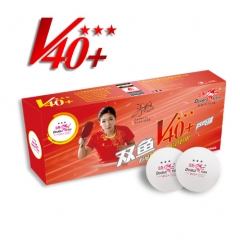
Best Quality Double Fish V40+ Volant 3 Stars Table Tennis Ball
Product Origin:Guangzhou, China Item No.:V111F Shipping Port:Guangzhou, China Color:White Lead Time:30 days Payment:T/T or L/C at sight
Read More -
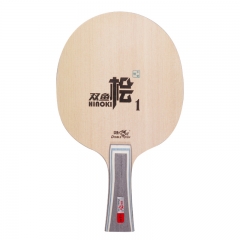
Double Fish hinoki 1 table tennis blade
wood Product Origin:Guangzhou, China Item No.:hinok1 Shipping Port:Guangzhou, China Lead Time:30 days Payment:T/T or L/C
Read More
Green Table Tennis, hit it off instantly, here’s the reason!
When players choose table tennis rackets, they often hear the names of various woods, such as Ayush, Paulownia, Limba, Kotou, etc. The ITTF stipulates that the wood content of a table tennis blade must be above 85%. The wood makes a big difference in the elasticity and feel of the produced blade, and even the material of the racket can affect technical movements and playing styles.
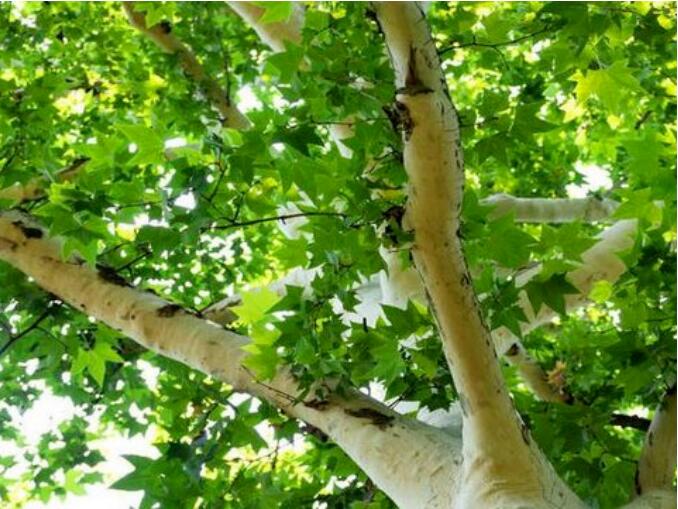
However, there are so many types of table tennis rackets nowadays. How should you choose one? Today is Arbor Day. Double Fish invites you to take a look at the three types of trees commonly seen in table tennis rackets and learn about the "mystery" behind them!
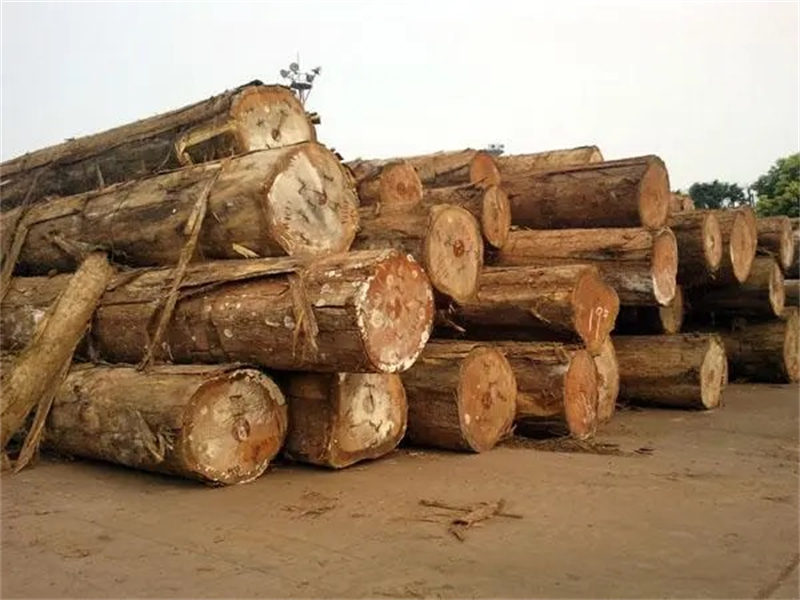
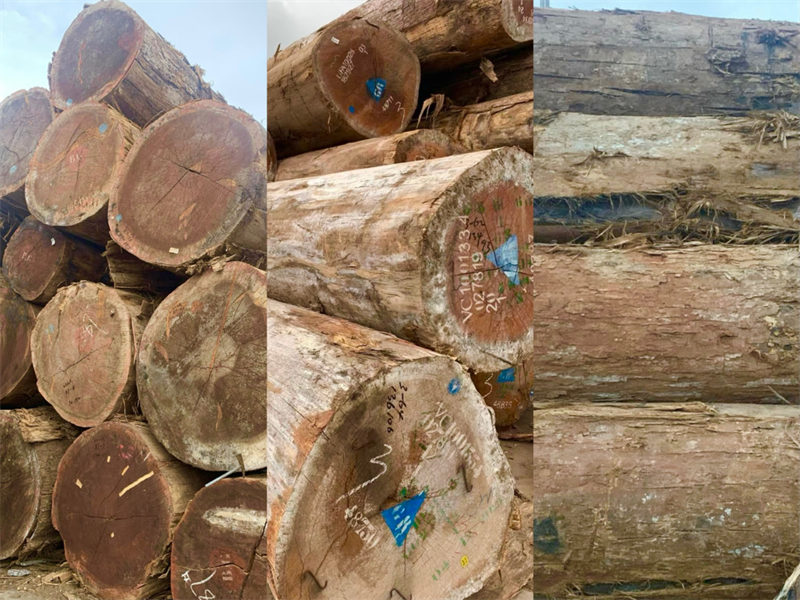
Ayush, also known as "African White Wood". It mainly grows in the Krisda Mountains in the north of the Republic of Gabon and the Chailu Mountains in the south. These areas are all above 1,000 meters above sea level. They are hot and humid all year round. The plant structure is not clearly hierarchical. There are rich tree plant communities. There is not much temperature difference throughout the year, and they have a tropical rain forest climate. The fiber of Ayus wood is slightly thicker and the brown eyes are obvious, but there are no obvious growth ring lines. Because of its light but tough wood and interlaced wood grain texture, Ayus is often used as the surface material and core material of table tennis blades. Most of the ball boards using Ayus as a large core have strong sole strength and power, and at the same time they do not lack ball-holding performance.
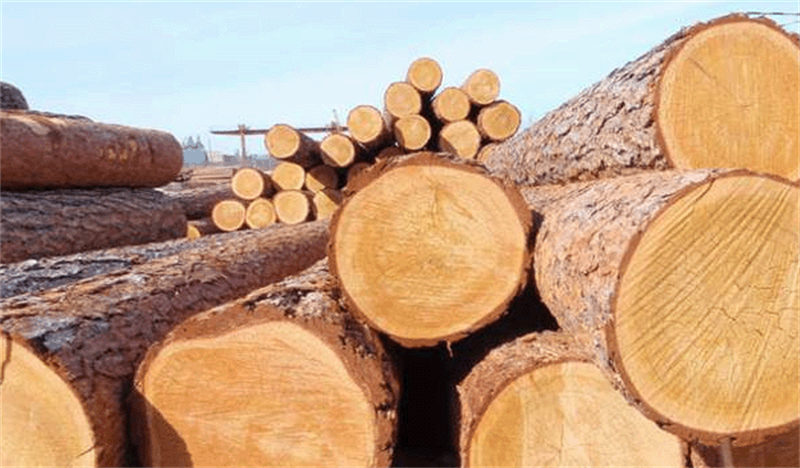
Mainly produced in China, Vietnam, Japan and other Asian regions, it is a very common core material for table tennis blades. Paulownia wood does not deform, is resistant to moisture and moisture, has strong water resistance, corrosion resistance, wear resistance, beautiful texture, bright color, fine texture, and good natural patterns. It has the characteristics of soft wood, easy processing, moisture-proof, and not easy to be eaten by insects. It is suitable for core board materials for manufacturing high, medium and low-grade baseboards.
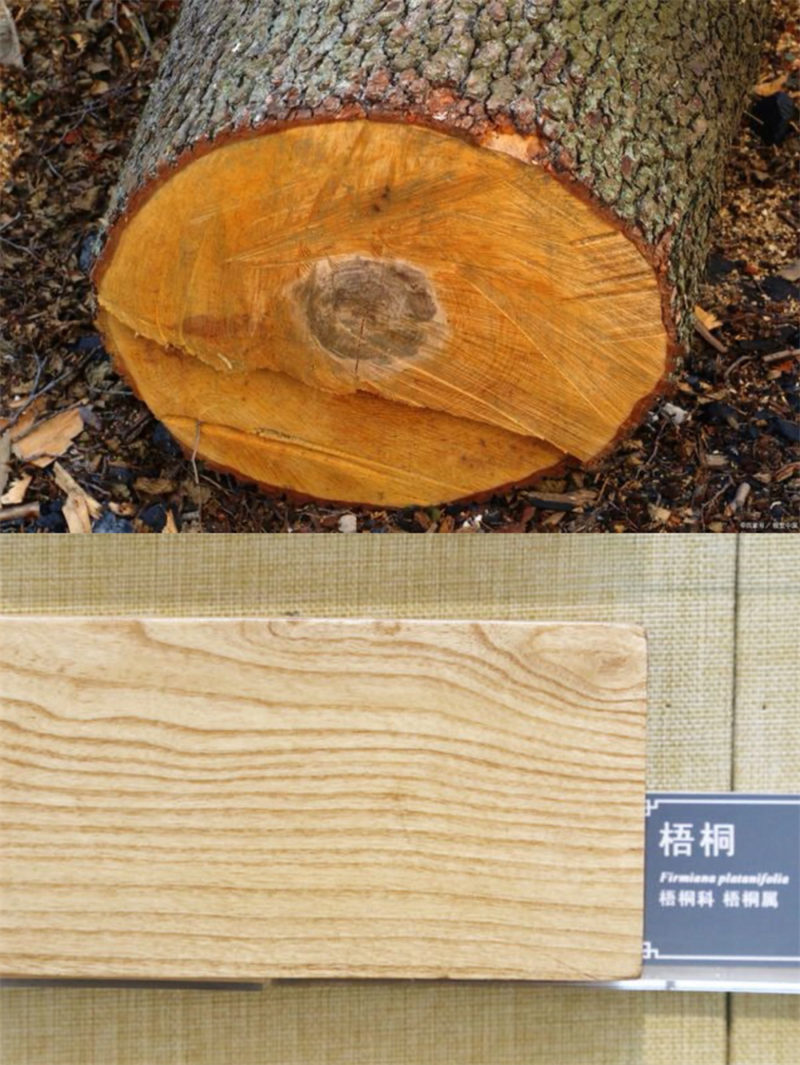
3. Koto
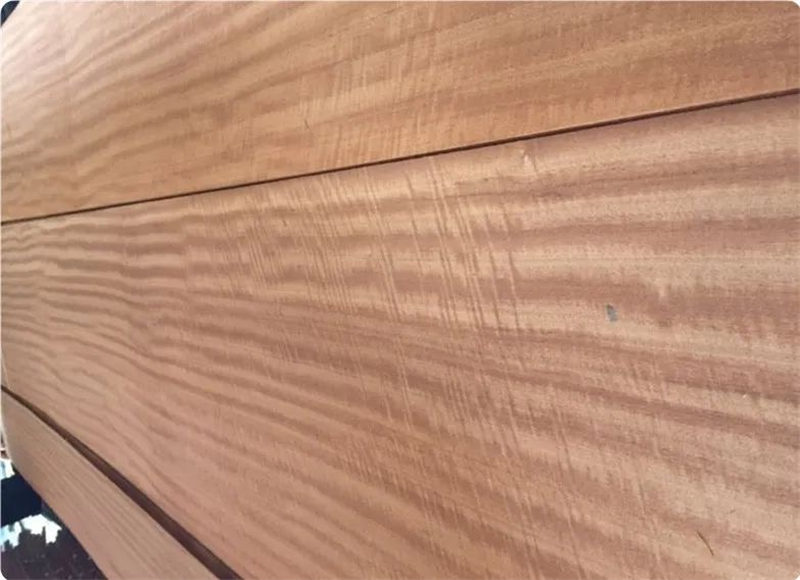
Kou is produced in Africa, Asia and other places. Its material is brittle, has long fibers, is resistant to moisture, has high gloss, is corrosion-resistant, and is easy to process. This wood board is commonly used as the panel and core board of table tennis baseboards.
There are many kinds of wood used to make table tennis racket base plates. Due to limited space, Double Fish will not list them all here. Choosing a racket that matches your playing style will not only improve your game performance, but also increase the fun of sports.





 Overseas business:(020)8431 9554
 +86 13829778212